Home Archive by category Bangalore

Bangalore

Bangalore Karnataka

Karnataka’s Anti-Drug Drive Intensifies as Police Report Major Seizures and Thousands of Arrests

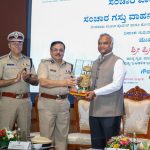
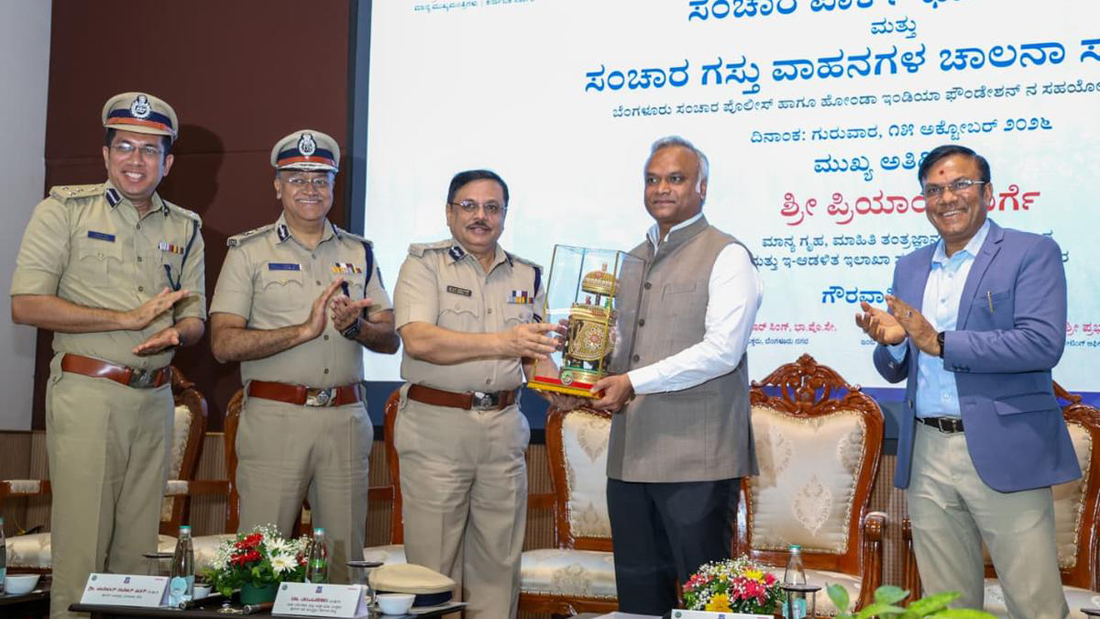
Bengaluru: Karnataka has stepped up its campaign against illegal c, with the state government highlighting police enforcement, investigations into drug trafficking networks and public awareness initiatives aimed at reducing substance abuse. The headline figures attributed to Priyank Kharge—drug seizures valued at 850 crore and around 32,000 arrests over three years—underscore the scale of the anti-narcotics issue, although the exact figures require confirmation from an official statement.

The campaign reflects growing concern over the circulation of narcotic substances in Karnataka, particularly in Bengaluru, where police have been conducting operations against drug suppliers and distributors. Authorities are focusing on identifying the networks responsible for transporting and selling illegal substances rather than limiting investigations to individual street-level dealers.

Police Focus on Drug Trafficking Networks

Law enforcement agencies have been conducting raids, registering cases under the Narcotic Drugs and Psychotropic Substances (NDPS) Act and arresting people suspected of involvement in the illegal drug trade. Investigations have examined how narcotics enter the state through interstate supply chains and are distributed to local markets.

Recent Bengaluru operations have highlighted the growing challenge posed by synthetic drugs such as MDMA. Police have reported seizures involving substantial quantities of these substances, with investigations pointing to supply links beyond Karnataka.

Drug trafficking networks frequently rely on intermediaries and transport routes to move consignments between states. Investigators are therefore working to identify suppliers, carriers and local distributors who may be operating as part of larger networks.

Bengaluru Emerges as a Key Enforcement Focus

Bengaluru remains an important focus of Karnataka’s anti-drug operations because of its large population, educational institutions and employment centres. Police investigations have identified cases in which students and young working professionals were among the intended customers of illegal drug suppliers.

In a report published in September 2026, Bengaluru police said they had seized 79.5 kilograms of MDMA and 1,000 ecstasy tablets, with an estimated combined value of 161 crore, between April and September. Separate operations in Girinagar, Hebbal and Vidyaranyapura also resulted in the seizure of additional MDMA and the arrest of six suspects, according to police reports.

These cases demonstrate the importance of intelligence gathering, coordinated raids and investigations into the sources of illegal substances. However, seizure figures alone cannot establish the full extent of drug consumption or trafficking in the state.

Government Combines Enforcement With Awareness

The state government has also emphasised prevention and public participation as important parts of its strategy. Anti-drug initiatives, including the RISE Karnataka campaign and the ‘Beda BRO’ awareness drive, aim to discourage drug use and encourage people to recognise its social and health consequences.

Priyank Kharge has called for coordinated action involving the police and other government departments. Awareness programmes in schools, colleges, workplaces and villages are intended to help young people understand the risks associated with narcotic substances.

Public cooperation can also help authorities identify suspicious activity and gather information about drug distribution networks. At the same time, prevention programmes and access to appropriate support services remain important for people experiencing substance-use problems.

A Continuing Challenge for Karnataka

The scale of the reported seizures and arrests highlights the continuing challenge of controlling the illegal drug trade. Sustained enforcement, effective investigations and cooperation between state and central agencies are necessary to disrupt supply chains.

Experts and public health advocates have also emphasised that tackling drug abuse requires more than arrests. Education, early intervention, rehabilitation and family and community support can help address the factors that contribute to substance use.

As Karnataka continues its anti-narcotics campaign, the effectiveness of these measures will depend on whether authorities can weaken trafficking networks while preventing new ones from emerging. Verified official data on seizures, arrests, convictions and rehabilitation outcomes will be essential for assessing the campaign’s long-term impact.

Image Source/Credits: The Hindu

Dynamic Leader News Desk
Bangalore Karnataka

Karnataka Sugarcane Farmers Intensify Protest as Centre Promises High-Level Committee

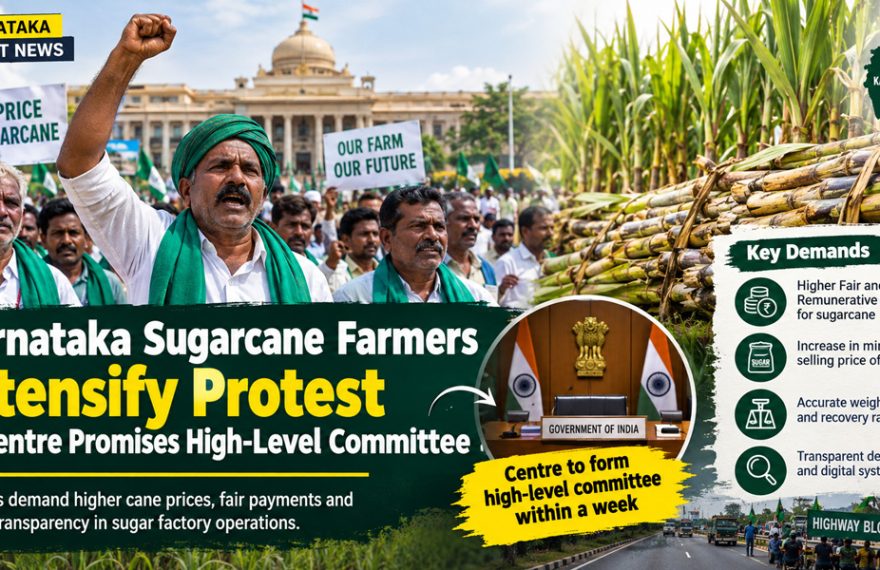
Bengaluru, October 13, 2026: Sugarcane farmers in Karnataka have intensified their agitation over cane prices and payment-related concerns after discussions with the Union government failed to produce an immediate agreement on their key demands. Farmers have announced highway blockades, while the Centre has promised to establish a high-level committee to examine the grievances of sugarcane growers in Karnataka and Maharashtra.

The latest developments follow a meeting in New Delhi on Monday, October 12, involving Union Agriculture Minister Shivraj Singh Chouhan, Union Food and Public Distribution Minister Pralhad Joshi, and representatives of farmers’ organisations. Karnataka Deputy Chief Minister D. K. Shivakumar also met Joshi separately later that night to raise concerns affecting the state’s sugarcane growers.

Farmers Demand Higher Cane Prices

One of the main demands concerns the Fair and Remunerative Price (FRP), the minimum price sugar mills are legally required to pay farmers for sugarcane. For the 2026–27 season, the Centre has fixed the FRP at ₹365 per quintal for a basic sugar recovery rate of 10.25%.

However, farmer organisations argue that rising cultivation expenses, harvesting costs and other deductions are reducing their returns. The Karnataka Sugarcane Growers Association has sought a higher support price, including a demand for at least ₹550 per quintal, according to reports of the discussions.

Farmers have also called for an increase in the minimum selling price of sugar from the existing ₹31 per kilogram to ₹50 per kilogram. They argue that sugar prices and the revenue generated by mills should be considered while determining a fair return for growers.

Weighment and Recovery Rate Concerns

Apart from pricing, farmers have raised concerns about the accuracy of weighment, sugar recovery calculations and deductions made by sugar factories after harvesting.

The amount payable to a grower is linked to the quantity of cane supplied and the applicable pricing formula, including the recovery rate. Farmers want greater transparency in these calculations and have sought digital weighing systems to reduce the possibility of disputes.

They have also questioned deductions relating to harvesting and wastage. Their demands include examining whether revenue from by-products such as ethanol, bagasse and electricity should be considered when assessing the industry’s capacity to pay farmers.

Centre Announces Committee Within a Week

Following discussions lasting nearly three hours, the Union government announced plans to constitute a high-level joint committee within a week. The proposed panel is expected to examine the concerns raised by farmers and recommend measures to address issues involving pricing, weighment, recovery assessments and payments.

Pralhad Joshi has appealed to farmers to avoid road blockades, stating that the Centre is willing to work with state governments to find lasting solutions. The government has described the discussions as constructive, although farmers continue to seek concrete decisions rather than assurances.

Highway Blockades Threaten Traffic

Farmer leaders in Karnataka have called for highway blockades from October 13, expressing dissatisfaction with the outcome of the negotiations. Reports indicate that protests and roadblocks have affected, or threatened to affect, important routes in sugarcane-growing districts, including Belagavi, Bagalkote, Vijayapura and Dharwad.

The agitation has placed renewed pressure on both central and state authorities to resolve the dispute before the sugarcane crushing season progresses further.

What Happens Next?

The immediate focus is on the formation of the promised committee and whether it leads to measurable changes in cane pricing, payment transparency and factory practices. For farmers, the central issue remains whether the cost of cultivation can be adequately covered while ensuring a sustainable income.

Although the Centre’s announcement signals further negotiations, no final agreement on all the farmers’ demands has been confirmed in the reports available as of October 13. The coming days will be important in determining whether discussions lead to concrete relief or further protests across Karnataka.

Dynamic Leader News Desk
Bangalore Education

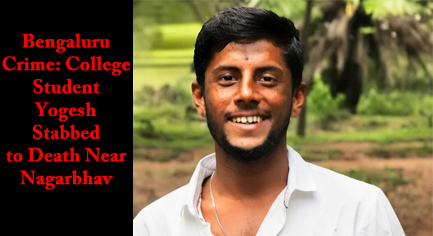
Bengaluru Crime: College Student Yogesh Stabbed to Death Near Nagarbhavi

Bengaluru, October 1, 2026: A 19-year-old first-year B.Com student was allegedly stabbed to death following a confrontation involving a group of youths near his college in Bengaluru’s Nagarbhavi area on Wednesday afternoon. The incident has prompted a police investigation and a search for those allegedly involved in the attack.

The deceased has been identified as Yogesh Papanna, a first-year B.Com student at c in Nagarbhavi. According to police and multiple reports, Yogesh was attending classes when he was contacted and asked to come outside the college.

The incident reportedly took place at around 2.30 pm near a gym located behind the college. After Yogesh reached the area, an argument broke out involving him and a group of youths. Police said the confrontation subsequently turned violent, with one of the attackers allegedly using a sharp weapon to stab Yogesh in the chest.

Yogesh suffered serious injuries during the assault. His friends immediately attempted to get him medical assistance and took him to a nearby hospital. However, his injuries proved fatal and he died after being taken to the hospital, according to police and media reports.

The number and identity of the people involved are still being established. Police have said that around four to six people may have participated in the confrontation. One person identified in the preliminary investigation is reported to be known to Yogesh, while other reports have described some of the suspected attackers as outsiders to the college.

There is currently no confirmed official explanation for what triggered the confrontation. Police are investigating the circumstances that brought the group together and the events that immediately preceded the stabbing. Some preliminary reports have mentioned a possible dispute involving people known to the victim, but investigators have not publicly established this as the confirmed motive.

Following the incident, officers from Annapoorneshwari Nagar Police Station visited the scene and began collecting information about the attack. A special police team has reportedly been formed to trace the suspects and determine the exact sequence of events.

Police are also working to establish the individual roles of those who were present during the confrontation. The investigation is expected to clarify whether the incident was the result of a pre-existing dispute, a confrontation between groups, or another disagreement.

The killing has raised fresh concerns about violence involving young people around educational institutions. However, authorities have not yet announced a final motive or confirmed the complete list of accused persons.

The investigation remains ongoing, and police are expected to provide further details as the suspects are traced and questioned. Until then, the circumstances surrounding Yogesh’s death and the motive behind the attack remain under investigation.

This report is based on information available from police statements and reports published as of October 1, 2026. Further details may emerge as the investigation progresses.

Dynamic Leader News Desk

Bangalore Business

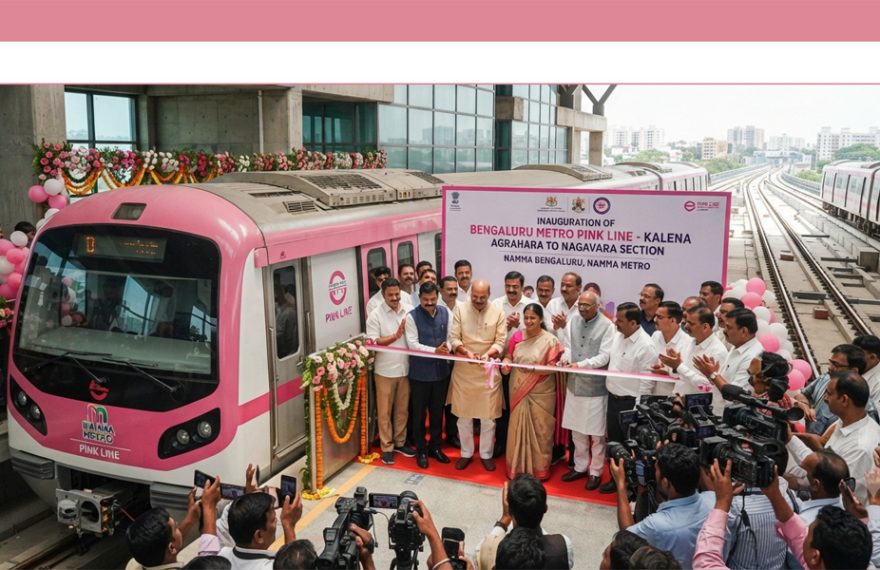
Bengaluru Namma Metro Pink Line Gears Up for Operational Debut: Elevated Stretch Set to Transform South Bengaluru Commuting

Bengaluru, September 2026: Bengaluru’s mass transit network is entering a transformative new phase as the much-anticipated Pink Line prepares for its grand opening, marking a major milestone in the city’s urban infrastructure expansion. Connecting key residential hubs and high-density commercial corridors, the initial phase of this vital corridor focuses on the 7.5-kilometer elevated section running from Kalena Agrahara to Tavarekere along the bustling Bannerghatta Road. State transport authorities and the Bangalore Metro Rail Corporation Limited (BMRCL) have announced that this initial stretch is structurally complete, undergoing rigorous safety assessments, and is slated for public rollout following final green lights from central authorities.

The newly completed elevated route comprises six strategically positioned stations designed to alleviate severe traffic congestion in south Bengaluru. Commuters will soon be able to board trains across Kalena Agrahara, Hulimavu, the Indian Institute of Management Bangalore (IIMB), JP Nagar 4th Phase, Jayadeva Hospital, and Tavarekere. Among these, the Jayadeva Hospital station stands out as a critical multimodal intersection, offering passengers a seamless interchange facility with the existing Yellow Line. This integration is expected to drastically reduce travel times across the southern quadrant of the city and connect thousands of daily office-goers, students, and residents to the broader Namma Metro grid.

Beyond the immediate convenience for south Bengaluru residents, the opening of this segment carries monumental significance for the city’s overall transit evolution, pushing the cumulative operational length of Namma Metro past the landmark 100-kilometer threshold. Transport planners have incorporated modern signaling and state-of-the-art rolling stock to ensure high frequency, punctuality, and safety. Furthermore, the corridor features advanced driverless-capable communication-based train control technologies, positioning Bengaluru at the forefront of modern Indian transit innovation.

While the initial elevated stretch prepares to welcome its first waves of passengers, work on the remainder of the expansive 21.26-kilometer Pink Line project—which eventually extends all the way to Nagawara via a complex 13.76-kilometer underground network—continues to progress. The subsequent underground phase, featuring twelve additional stations including major business districts like MG Road and Shivajinagar, is slated for commissioning in the coming months. For now, local commuters along Bannerghatta Road can look forward to significantly smoother daily journeys as the city ushers in a new era of connected, efficient, and sustainable public transit.

Dynamic Leader News Desk

Prathiban DC

Bangalore Karnataka

One in Four Inspected LPG Cylinders Found Underfilled During Karnataka State Crackdown

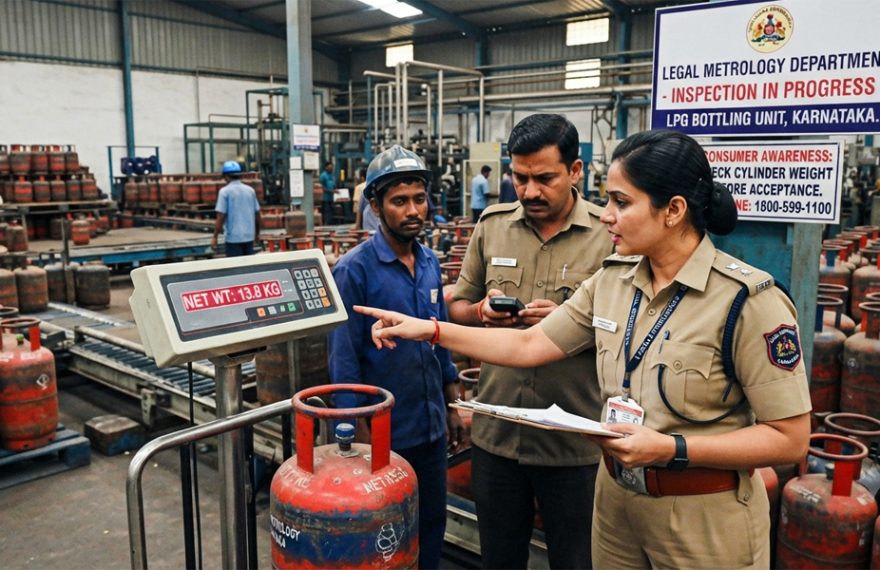
Bengaluru, September 29, 2026: In a striking revelation concerning household consumer rights, recent surprise inspections conducted across Karnataka revealed that approximately 25% of inspected LPG cylinders contained less gas than their officially declared quantity. The enforcement drive, spearheaded by the Legal Metrology Department, aimed to scrutinize packaging precision and ensure fair trade practices across the state’s energy supply chain.

During the intensive state-wide sweep, authorities closely evaluated 17 operational liquefied petroleum gas bottling units representing major public-sector enterprises like IOCL, BPCL, and HPCL, alongside private energy suppliers. Officials physically weighed a total of 1,530 filled cylinders to verify their net contents. Out of the total checked, exactly 382 cylinders making up 25% of the sample size were found to carry lower gas volumes than mandated, though officials noted they remained within permissible error limits. Meanwhile, roughly 13.4% matched the precise target mark, and over 60% contained slightly excess fuel.

Prompted by these discrepancies, the regulatory authority registered active cases against non-compliant entities and collected total fines amounting to 79,000 for rule violations. State officials emphasized that accurate measurement is a fundamental consumer right, underscoring that citizens must receive the complete volume of fuel they pay for without short changing.

In response to the findings, consumer affairs authorities have strongly encouraged residents to actively verify cylinder weights at the time of delivery before accepting them from delivery personnel. Households across Karnataka who suspect weight irregularities or delivery discrepancies are urged to report their grievances directly to the Legal Metrology Department’s dedicated toll-free helpline at 1800-599-1100.

Dynamic Leader News Desk

Prathiban DC

Bangalore Karnataka National

Supreme Court Refuses to Stay New UPI MDR Framework, October 15 Rollout Remains on Track

Supreme Court Refuses to Stay New UPI MDR Framework, October 15 Rollout Remains on Track

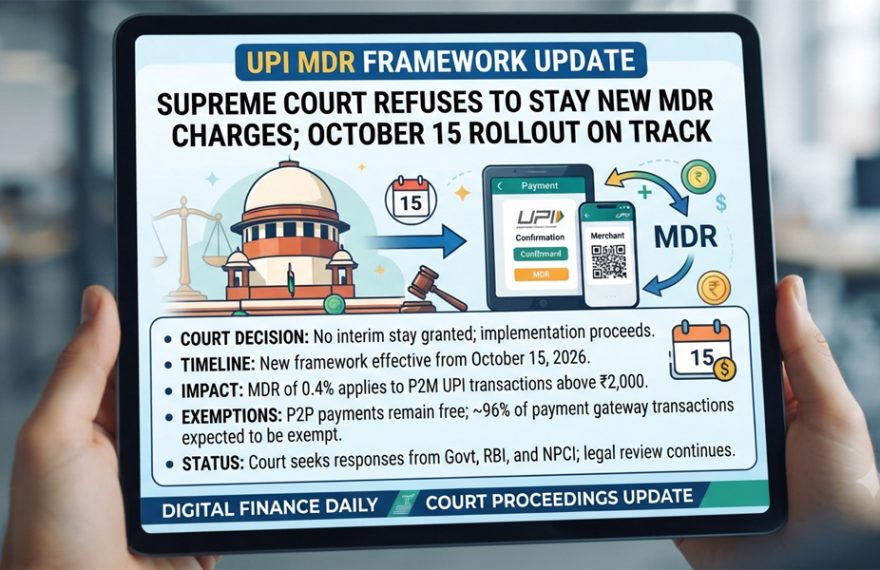
New Delhi, September 29, 2026: The Supreme Court has declined to grant an interim stay on the Centre’s decision to introduce a Merchant Discount Rate (MDR) on specified Unified Payments Interface (UPI) person-to-merchant transactions above 2,000. The decision means the proposed framework remains scheduled for implementation from October 15, 2026, unless there is a further order or policy change.

A three-judge bench headed by Chief Justice of India Surya Kant, along with Justices Joymalya Bagchi and V. Mohana, was hearing a petition challenging the government’s notifications introducing the new UPI merchant-payment framework.

Instead of stopping the proposed rollout, the court has sought responses from the Union government, Reserve Bank of India (RBI) and National Payments Corporation of India (NPCI). The respondents have been asked to submit their replies within four weeks. The court has also questioned the legal basis and nature of the proposed charge.

Under the new framework, eligible person-to-merchant UPI payments above 2,000 will generally attract an MDR of 0.4 per cent. The charge is subject to limits, including a maximum MDR of 300 for transactions of 75,000 and above. Payments between individuals will continue to remain free.

The government has maintained that MDR is not a tax or government fee. Instead, it is described as a charge within the digital payments ecosystem, with the amount distributed among participating entities involved in processing the transaction. The government has also stated that the MDR should not be separately recovered from customers.

The framework also provides exemptions and special provisions for certain categories. According to the Centre’s submissions before the Supreme Court, around 96 per cent of transactions routed through payment gateways are expected to remain exempt. Certain essential-service transactions will have a lower cap, while small merchants covered under the zero-MDR framework will continue to receive payments without the new charge.

The proposed change comes after nearly six years during which UPI merchant payments operated without a conventional MDR. The government has argued that the revised system is intended to support the long-term sustainability of the digital-payment ecosystem as transaction volumes continue to expand.

For ordinary UPI users, the immediate impact is expected to be limited because the proposed MDR is structured as a merchant-side charge rather than a direct customer transaction fee. However, the treatment of the additional cost by individual businesses could become an important issue once the framework takes effect.

  1. The Supreme Court’s latest order does not finally determine whether the MDR framework is legally valid. The court has only declined to halt its implementation at this stage while seeking responses from the concerned authorities.

The next phase of the case will therefore focus on the government’s legal and technical justification for the framework. Until the court issues another direction, the proposed October 15 implementation date remains unchanged.

Dynamic Leader News Desk

Prathiban DC


Bangalore Karnataka

Karnataka’s Drought Situation Comes Under Centre’s Lens From October 3

Bengaluru, September 28, 2026: The Centre has confirmed that three Central teams will visit Karnataka from October 3 to assess the state’s drought situation, including crop damage, water availability and conditions faced by farmers across affected regions.

The assessment comes after Karnataka declared a large number of taluks drought-affected and sought financial assistance from the Union government. The Central teams are expected to compare the state’s assessment with ground-level conditions before further decisions are taken on drought relief.

Three Teams to Cover Major Regions

The Inter-Ministerial Central Team will be led by Joint Secretary Ajeet Kumar Sahu. The teams have been assigned different parts of the state for the field assessment.

One team will cover Tumakuru, Chitradurga, Davanagere and Vijayanagara. A second team will visit Hassan, Mysuru and Chamarajanagar, with Mandya also being considered as part of the assessment, particularly in connection with water levels in the Krishna Raja Sagar reservoir.

The third team will focus on Yadgir, Raichur, Bagalkot and Koppal in North Karnataka.

The teams are scheduled to begin the assessment process from October 3, with officials expected to inspect affected areas and interact with state and district authorities.

177 Taluks Declared Drought-Affected

Karnataka has so far declared 177 of its 240 taluks as drought-affected. Ground-level verification is also continuing in another 50 taluks, meaning the number of affected areas could change as assessments progress.

The drought situation has raised concerns over crop production, drinking water availability, livestock and rural livelihoods. The Central assessment is expected to provide an independent field-level picture of the situation.

Karnataka Seeks Central Financial Assistance

The Karnataka government has sought approximately ₹3,705.30 crore in assistance under its drought memorandum for the 2026 Kharif season.

Chief Minister D.K. Shivakumar has also requested the Centre to release 50 per cent of the requested assistance as interim support, along with an advance release of the Central share of disaster-response funds. The state has said immediate assistance is required for measures including crop-loss support, drinking water arrangements and protection of livestock.

The Karnataka government has also announced a 1,250-crore one-time relief package for around 50 lakh farmers, according to reports on the state’s drought response.

Focus Turns to Rabi Season

The drought assessment comes at a crucial time as preparations begin for the Rabi agricultural season.

Union Agriculture Minister Shivraj Singh Chouhan has asked drought-affected states to consider available water and soil moisture while deciding their Rabi cropping plans. Areas with limited water availability may need to consider crops requiring comparatively less irrigation.

The Centre has indicated that the field assessments in Karnataka will help determine the extent of the drought and the assistance required by the state.

For farmers and rural communities across Karnataka, the October assessment is expected to be closely watched as the state awaits further decisions on drought relief and financial assistance.

Dynamic Leader News Desk

Prathiban DC 

Bangalore

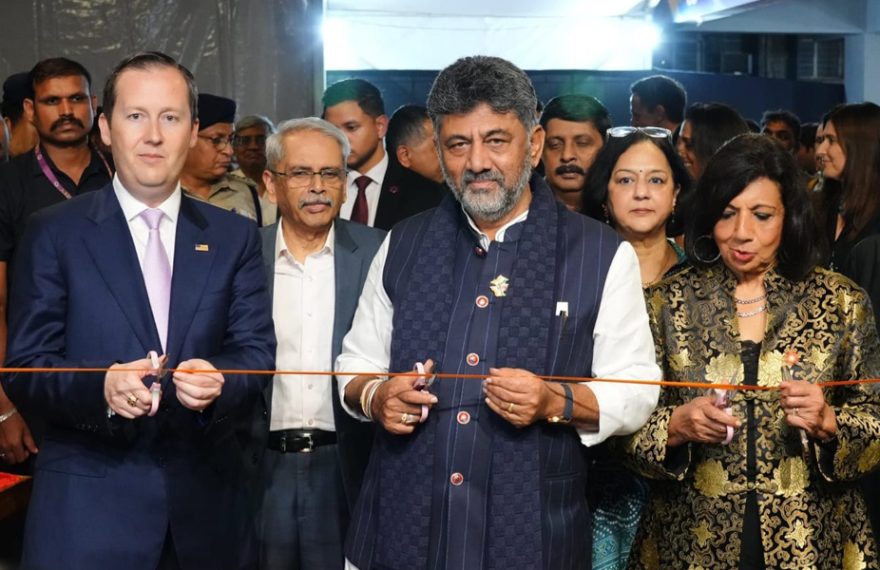
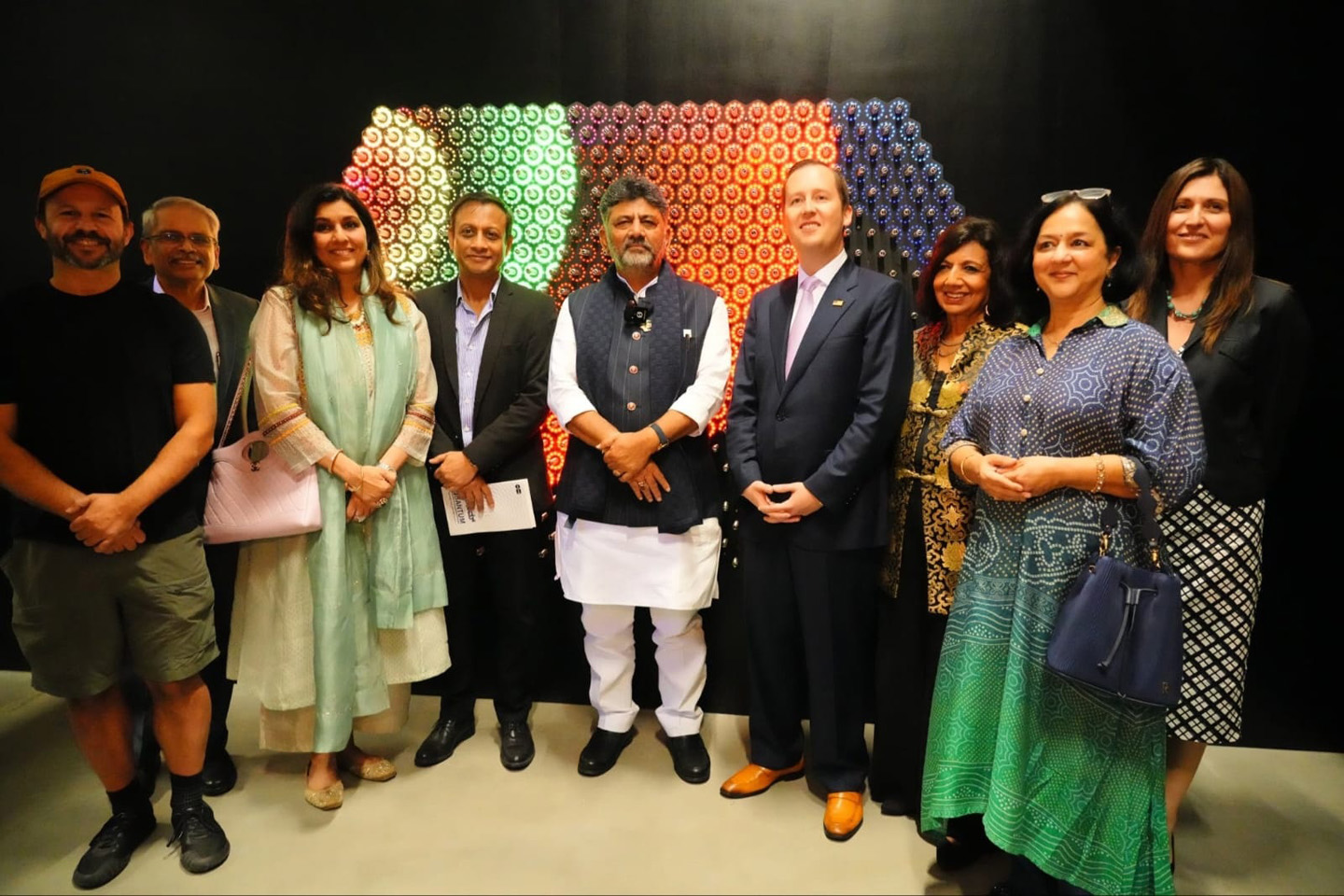
CM D.K. Shivakumar Inaugurates QUANTUM at Science Gallery Bengaluru, Reinforces Karnataka’s Global Quantum Vision

Bengaluru: Karnataka Chief Minister D.K. Shivakumar on Friday inaugurated QUANTUM at Science Gallery Bengaluru, reaffirming the state’s commitment to becoming a global hub for quantum technology, innovation and scientific research.

The event was attended by Sergio Gor, Ambassador of the United States to India, Priyank Kharge, Minister for IT & BT, Byrathi Suresh, Minister for Transport, Dr. Kiran Mazumdar-Shaw, Chairperson of Biocon Group, Dr. Jahnavi Phalkey, Founding Director of Science Gallery Bengaluru, along with several distinguished guests.

Addressing the gathering, the Chief Minister underscored the importance of strengthening the Karnataka–United States partnership through deeper collaboration in technology, innovation, research, skilling and higher education. He said such partnerships would play a crucial role in positioning Karnataka at the forefront of emerging technologies.

Highlighting the state’s long-term quantum roadmap, Shivakumar pointed to key initiatives including India’s first Quantum City at Hesaraghatta, the Karnataka Quantum Mission, and the Centre of Excellence in Quantum Artificial Intelligence and Computing at IIIT Dharwad. He said these initiatives reflect the government’s vision of building a robust and future-ready quantum ecosystem.

Reiterating the government’s commitment to fostering scientific curiosity and public engagement with emerging technologies, the Chief Minister said institutions like Science Gallery Bengaluru are instrumental in inspiring the next generation of innovators, researchers and technology leaders.

Bangalore

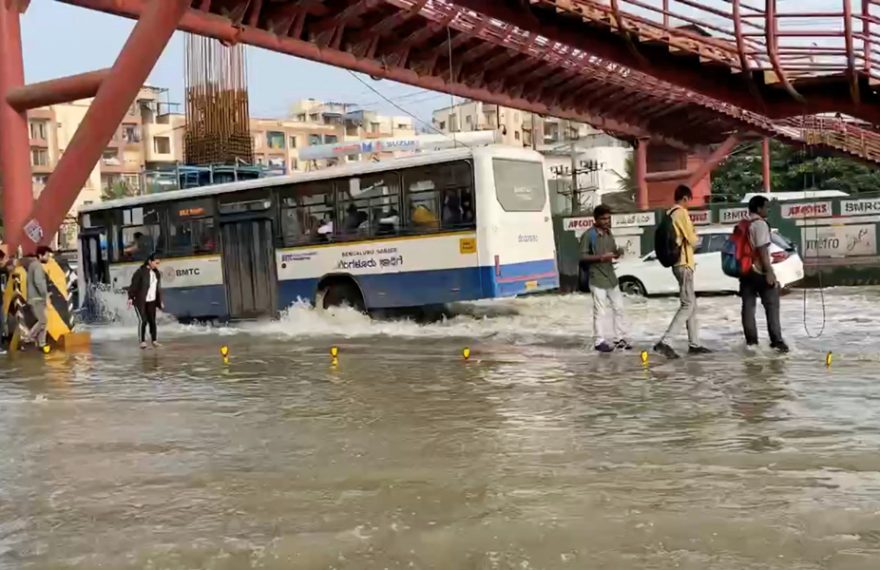
Heavy Rain Brings Bengaluru Traffic to a Standstill

Bengaluru, July 3: Continuous rainfall across Bengaluru has led to severe traffic congestion on several major roads, leaving thousands of commuters stranded in long queues. Waterlogging in low-lying areas, pothole-ridden roads, and slow-moving vehicles have disrupted normal life across the city.

Since early morning, moderate to heavy rain has been reported in many parts of Bengaluru. The city’s major traffic corridors, including Silk Board Junction, Outer Ring Road, Marathahalli, Whitefield, Hebbal, KR Puram, Yelahanka, Electronic City, and Mysuru Road, witnessed heavy congestion as vehicles moved at a slow pace. Many office-goers and school commuters experienced significant delays during peak hours.

Water accumulation on roads has made driving difficult, particularly for two-wheeler riders and pedestrians. In several locations, vehicles broke down after being stranded in flooded stretches, adding to the traffic chaos. Emergency services and traffic police were seen working to restore normal traffic movement.

According to the India Meteorological Department (IMD), Bengaluru is likely to receive more rain accompanied by thunderstorms over the next 24 to 48 hours. Authorities have advised residents to avoid unnecessary travel during periods of heavy rainfall and to remain alert while driving.

The Bengaluru Traffic Police have deployed additional personnel at major junctions and suggested alternative routes to reduce congestion. Real-time traffic updates are also being shared through official social media channels to help commuters plan their journeys.

Meanwhile, Bruhat Bengaluru Mahanagara Palike (BBMP) officials are working to clear stormwater drains, remove fallen tree branches, and pump out water from flooded areas. Disaster response teams have also been placed on standby to handle emergency situations if required.

Urban planning experts say that the recurring problems of traffic congestion and waterlogging during every monsoon highlight the need for better drainage systems, improved road maintenance, and stronger urban infrastructure. They believe long-term planning is essential to reduce the impact of heavy rains on the city’s transportation network.

With rainfall expected to continue over the coming days, authorities have urged motorists to drive carefully, maintain safe distances, avoid waterlogged roads wherever possible, and follow official weather and traffic advisories. Commuters are also advised to allow extra travel time as traffic delays are likely to persist until weather conditions improve.

Bangalore

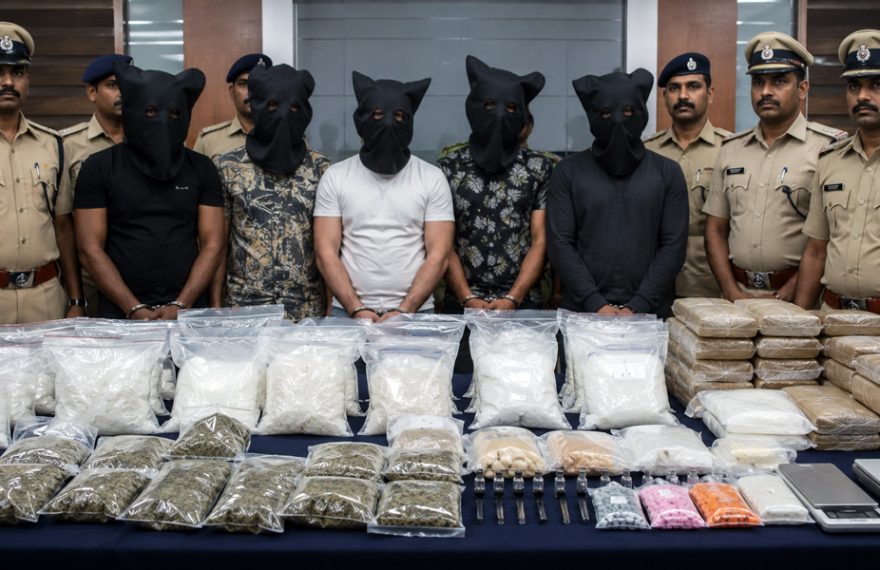
Bengaluru Police Seize Drugs Worth Rs.25 Crore, Arrest 17 Peddlers in Major Anti-Narcotics Operation

Bengaluru, June 30: Bengaluru Police have arrested 17 alleged drug peddlers, including three foreign nationals, in a major anti-narcotics operation carried out across different parts of the city. The coordinated crackdown led to the seizure of narcotic substances estimated to be worth around Rs.25 crore.

According to police, the operation was conducted as part of an intensified drive to dismantle organized drug trafficking networks operating in Bengaluru. Multiple teams carried out simultaneous raids based on intelligence inputs, resulting in the arrests and the recovery of a large quantity of illegal narcotics.

Investigators are now examining the seized materials and gathering evidence to identify the source of the drugs, the distribution network, and others who may be linked to the racket. Officials indicated that further arrests could follow as the investigation progresses.

Bengaluru Police said the crackdown reflects their continued efforts to curb drug-related crimes and prevent the spread of narcotics in the city. Authorities also appealed to the public to share information about illegal drug activities to support law enforcement in combating the menace.

Further details are expected to be released as the investigation continues.