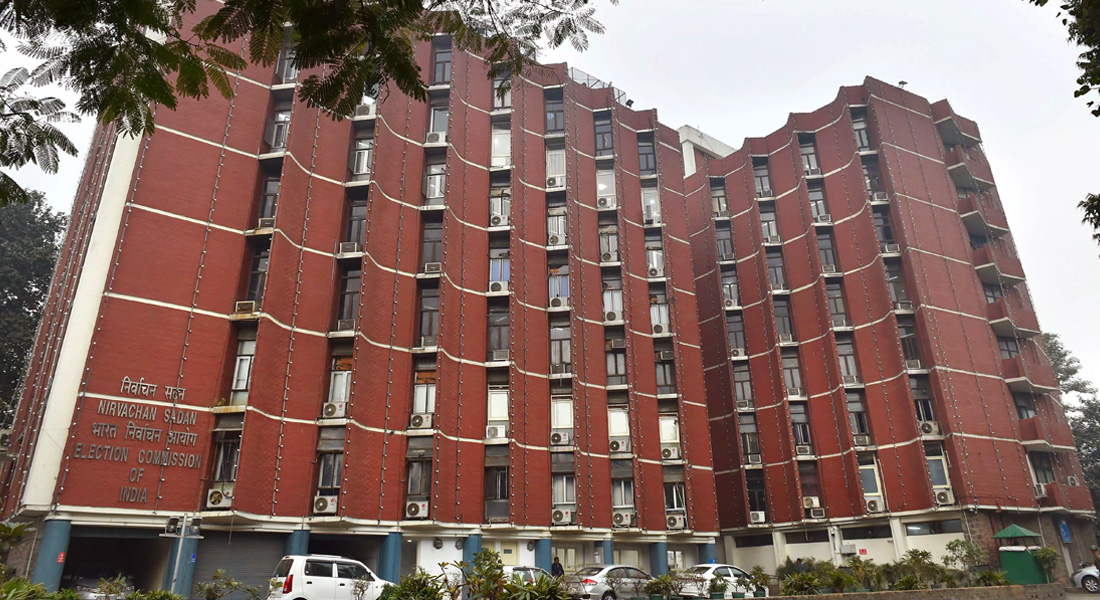
EC Directs 22 States, UTs to Prepare for Special Intensive Revision of Electoral Rolls from April
By Prathiban DC, Editor
The Election Commission of India (ECI) has instructed 22 states and Union Territories to complete preparatory arrangements for the upcoming Special Intensive Revision (SIR) of electoral rolls, which is expected to begin in April.
In an official communication issued on Thursday, the Commission emphasized the urgency of completing groundwork to ensure a smooth rollout of the revision exercise. Once the first phase is completed, the SIR will be implemented across the country.
The directive has been sent to the Chief Electoral Officers of Andhra Pradesh, Arunachal Pradesh, Chandigarh, Dadra and Nagar Haveli & Daman and Diu, Haryana, Himachal Pradesh, Jammu and Kashmir, Jharkhand, Karnataka, Ladakh, Maharashtra, Manipur, Meghalaya, Mizoram, Nagaland, Delhi, Odisha, Punjab, Sikkim, Tripura, Telangana and Uttarakhand.
The Election Commission noted that a nationwide SIR of electoral rolls had already been ordered in June last year as part of efforts to enhance voter roll accuracy and transparency.
So far, the SIR process has been completed in Bihar and is currently underway in nine states and three Union Territories. In Assam, however, the Commission conducted a “special revision” instead of a full SIR, which concluded on February 10.
What is Special Intensive Revision (SIR)?
The Special Intensive Revision is a comprehensive electoral roll update exercise aimed at:
• Removing duplicate and ineligible voters
• Adding newly eligible voters, especially first-time voters
• Updating address and demographic changes
• Ensuring cleaner electoral rolls ahead of major elections
The Election Commission considers SIR crucial for maintaining the integrity of the electoral process, particularly ahead of large-scale national or state polls.
Why Are Opposition Parties Raising Concerns?
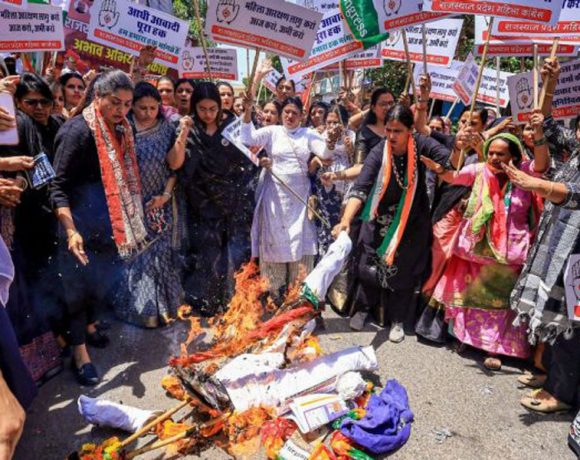
Several opposition parties have expressed reservations about the timing and scope of the SIR exercise, citing multiple concerns:
1. Timing Before Elections
Opposition leaders argue that conducting intensive revisions close to key elections could lead to confusion among voters and administrative disruptions. Some claim it may disproportionately affect certain voter groups.
2. Risk of Voter Deletions
There are fears that large-scale roll revisions could result in wrongful deletions of legitimate voters due to documentation errors, migration, or verification gaps — an issue raised in past revision exercises.
3. Allegations of Political Misuse
Some opposition parties have alleged that electoral roll revisions could be misused to selectively target regions where ruling parties face strong competition, though the Election Commission has repeatedly denied such claims.
4. Transparency and Verification Concerns
Critics are demanding greater transparency in the verification process, including clearer guidelines on data matching, field verification, and grievance redressal for voters whose names are removed.
5. Precedents in Certain States
Opposition leaders have pointed to past controversies over voter roll revisions in some states, where large numbers of deletions led to legal and political disputes.
EC’s Stand
The Election Commission has maintained that the SIR is a routine and legally mandated exercise aimed solely at ensuring free and fair elections. It has reiterated that safeguards, including public verification, claims and objections windows, and appeals mechanisms, will be in place to prevent wrongful exclusions.