Home Archive by category National

National

National

Delhi on High Alert Ahead of CJP’s ‘Lehra Do Tiranga’ March; Security Restrictions Tightened

Latest news update: October 16, 2026 | New Delhi, India

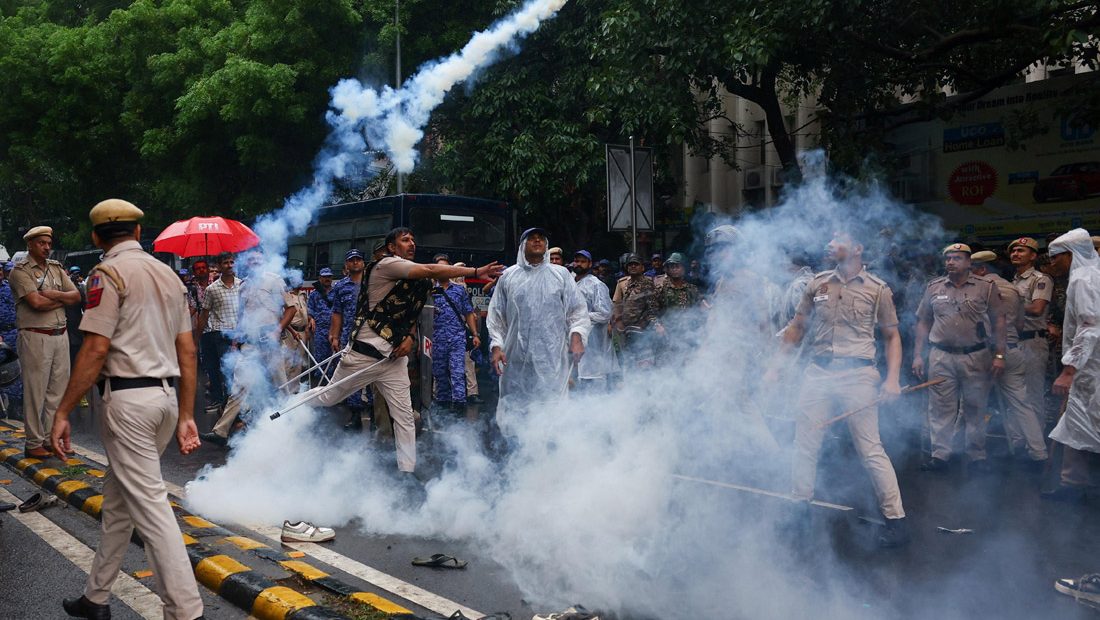
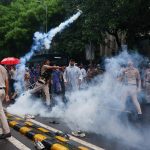
Delhi has been placed under heightened security ahead of the Cockroach Janta Party’s (CJP) proposed ‘Lehra Do Tiranga’ march at Connaught Place. The demonstration, announced for October 16, has triggered extensive police deployment, restrictions on public gatherings, the temporary closure of Central Park and warnings of traffic disruptions across parts of central Delhi. The protest is linked to the party’s campaign over alleged irregularities in voter-list revisions and the recent arrest of its leaders.

Authorities have strengthened security arrangements around Connaught Place, Rajiv Chowk Metro Station, Jantar Mantar and surrounding areas. According to reports published on October 16, approximately 32,000 police and central security personnel are expected to be deployed across the capital’s affected areas, including more than 6,000 Delhi Police personnel assigned to the central district and surrounding locations.

Additional CCTV cameras and barricades have been installed to monitor crowds, regulate movement and prevent possible disturbances. Police have also warned that those who violate prohibitory orders may face legal action. Officials are preparing for a potentially large gathering and have kept additional security resources available if required.

Central Park closed for two days

The New Delhi Municipal Council (NDMC) has announced that Central Park in Connaught Place will remain closed to the public on October 16 and 17. The official notice cites administrative reasons, with the decision coming amid concerns about the proposed march and the possibility of a large crowd gathering at the location.

Delhi Police has advised people not to assemble at Central Park while restrictions remain in force. Authorities have indicated that a small, selected group may be permitted to carry the national flag and sing the national anthem at a suitable location, subject to arrangements made by the police.

Traffic movement around Connaught Place is also expected to be affected from approximately 3 pm on October 16. Commuters have been advised to plan their journeys in advance, allow extra travel time and consider using public transport.

Why is CJP organising the Tiranga March?

The march was called by CJP founder Abhijeet Dipke under the slogan ‘Lehra Do Tiranga’. The party has been demanding the resignation of Chief Election Commissioner Gyanesh Kumar over alleged irregularities in the Special Intensive Revision (SIR) of electoral rolls.

The controversy centres on claims that changes to voter lists could affect electoral fairness. Opposition groups have questioned the process, while the Election Commission has denied allegations of political bias and stated that voters whose names were wrongly removed can re-enrol.

The latest demonstration also follows the arrest of CJP leaders Saurav Das and Ashutosh Ranka, who were sent to five days of judicial custody after a protest at Jantar Mantar. Their detention has intensified the party’s confrontation with the authorities.

CJP has appealed to political parties, student organisations and civil society groups to join its campaign, arguing that protecting voting rights is essential to safeguarding democracy. The party maintains that carrying the national flag should not be treated as a criminal act.

Police, however, have emphasised that demonstrations must comply with applicable restrictions and take place at authorised venues. Officials have identified locations such as Ramlila Maidan, Burari Ground and CBD Ground as possible alternatives for protests, subject to the required permissions.

The Delhi High Court declined to restrain the proposed protest, while recording the police assurance that it would take appropriate steps in accordance with the law. The situation therefore highlights the tension between citizens’ rights to peaceful assembly and the authorities’ responsibility to maintain public order.

Impact on commuters and local businesses

The heightened security measures could inconvenience office workers, shoppers, tourists and businesses operating in Connaught Place, one of Delhi’s major commercial districts. Traffic diversions, barricades and restrictions on access may lead to delays, particularly during the evening.

Residents and visitors are advised to follow official Delhi Police traffic updates before travelling through central Delhi. The closure of Central Park should also be considered when planning visits to the area.

Conclusion: The CJP Tiranga March has become a significant political flashpoint in Delhi, bringing questions about electoral transparency, political accountability and the right to protest into focus. The immediate situation remains centred on security arrangements and the authorities’ response to the planned gathering. The actual scale of participation and any subsequent developments should be confirmed through further official updates.

Source of Image credits: hindustantimes.com

Dynamic Leader News Desk
National

“Nobody Can Browbeat Us”: Supreme Court Firmly Rejects Political Pressure Tactics

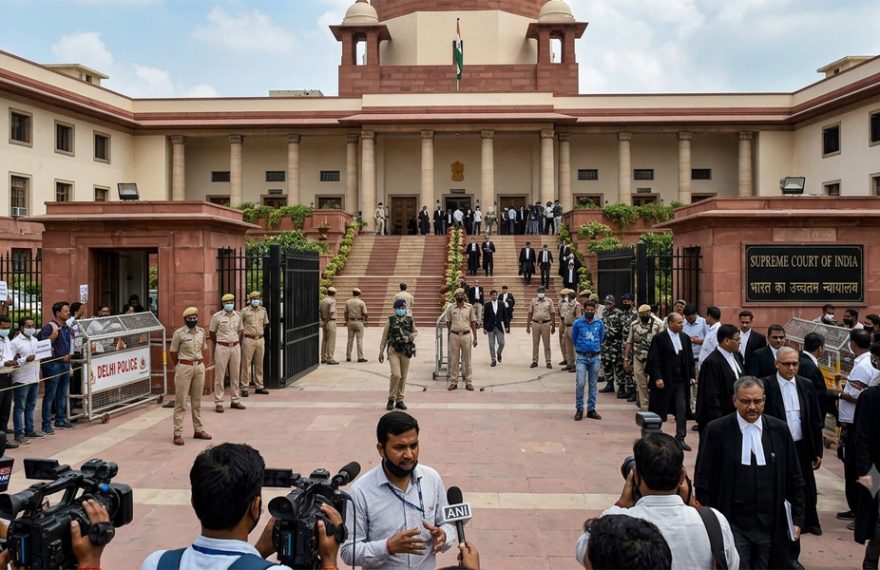
The Supreme Court of India firmly declared that “nobody can browbeat us” while hearing a petition regarding an October 12 protest march led by prominent Opposition leaders, including Rahul Gandhi and other INDIA bloc figures, toward the judicial complex.

The bench, led by Chief Justice of India Surya Kant alongside Justice Joymalya Bagchi, addressed concerns surrounding attempts to exert external pressure on the judiciary. Responding to submissions by counsel alleging organized efforts to influence the court during the demonstration, CJI Surya Kant stated that the bench remains fully observant of activities occurring beyond the courtroom doors. Emphasizing independence, the Chief Justice remarked that the judges do not sit in “ivory towers” and are entirely mindful of statements made publicly versus those presented inside the courtroom, dismissing external pressure tactics as ineffective and fragile.

The petition, filed by advocates, sought judicial guidelines to regulate demonstrations around the Supreme Court and High Courts, proposing an absolute prohibition on political protests inside judicial precincts. The plea further requested measures to prevent political campaigns aimed at influencing pending judicial proceedings and urged the court to consider criminal contempt proceedings against political leaders involved in the event. Concerns were also raised regarding safety during the procession, with lawyers noting incidents of public disruption and alleging that a pregnant journalist was pushed during the demonstration.

In response to the petition, the apex court issued notices to relevant parties, including political leaders involved in leading the procession, seeking their formal explanation regarding their conduct during the event. To ensure a comprehensive review, the bench directed all law enforcement agencies to secure and preserve all digital evidence, including CCTV recordings collected during the demonstration, while permitting private parties to submit relevant video footage as well.

The hearing occurred amidst broader judicial scrutiny involving petitions related to the Special Intensive Revision (SIR) of electoral rolls and associated public protests in the national capital. The Supreme Court emphasized the need to preserve public order, safeguard the independence of the judicial system, and ensure that court proceedings remain entirely free from external intimidation or political posturing.

Dynamic Leader News Desk 

Bangalore Karnataka National

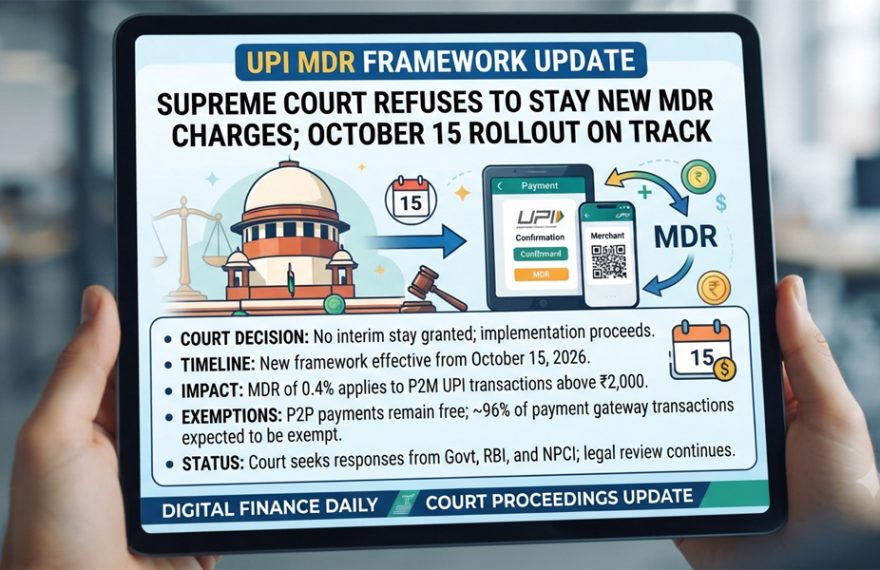
Supreme Court Refuses to Stay New UPI MDR Framework, October 15 Rollout Remains on Track

Supreme Court Refuses to Stay New UPI MDR Framework, October 15 Rollout Remains on Track

New Delhi, September 29, 2026: The Supreme Court has declined to grant an interim stay on the Centre’s decision to introduce a Merchant Discount Rate (MDR) on specified Unified Payments Interface (UPI) person-to-merchant transactions above 2,000. The decision means the proposed framework remains scheduled for implementation from October 15, 2026, unless there is a further order or policy change.

A three-judge bench headed by Chief Justice of India Surya Kant, along with Justices Joymalya Bagchi and V. Mohana, was hearing a petition challenging the government’s notifications introducing the new UPI merchant-payment framework.

Instead of stopping the proposed rollout, the court has sought responses from the Union government, Reserve Bank of India (RBI) and National Payments Corporation of India (NPCI). The respondents have been asked to submit their replies within four weeks. The court has also questioned the legal basis and nature of the proposed charge.

Under the new framework, eligible person-to-merchant UPI payments above 2,000 will generally attract an MDR of 0.4 per cent. The charge is subject to limits, including a maximum MDR of 300 for transactions of 75,000 and above. Payments between individuals will continue to remain free.

The government has maintained that MDR is not a tax or government fee. Instead, it is described as a charge within the digital payments ecosystem, with the amount distributed among participating entities involved in processing the transaction. The government has also stated that the MDR should not be separately recovered from customers.

The framework also provides exemptions and special provisions for certain categories. According to the Centre’s submissions before the Supreme Court, around 96 per cent of transactions routed through payment gateways are expected to remain exempt. Certain essential-service transactions will have a lower cap, while small merchants covered under the zero-MDR framework will continue to receive payments without the new charge.

The proposed change comes after nearly six years during which UPI merchant payments operated without a conventional MDR. The government has argued that the revised system is intended to support the long-term sustainability of the digital-payment ecosystem as transaction volumes continue to expand.

For ordinary UPI users, the immediate impact is expected to be limited because the proposed MDR is structured as a merchant-side charge rather than a direct customer transaction fee. However, the treatment of the additional cost by individual businesses could become an important issue once the framework takes effect.

  1. The Supreme Court’s latest order does not finally determine whether the MDR framework is legally valid. The court has only declined to halt its implementation at this stage while seeking responses from the concerned authorities.

The next phase of the case will therefore focus on the government’s legal and technical justification for the framework. Until the court issues another direction, the proposed October 15 implementation date remains unchanged.

Dynamic Leader News Desk
Prathiban DC


National

Mumbai Battered by Heavy Rain: Train Services Suspended, Expressway Traffic Disrupted

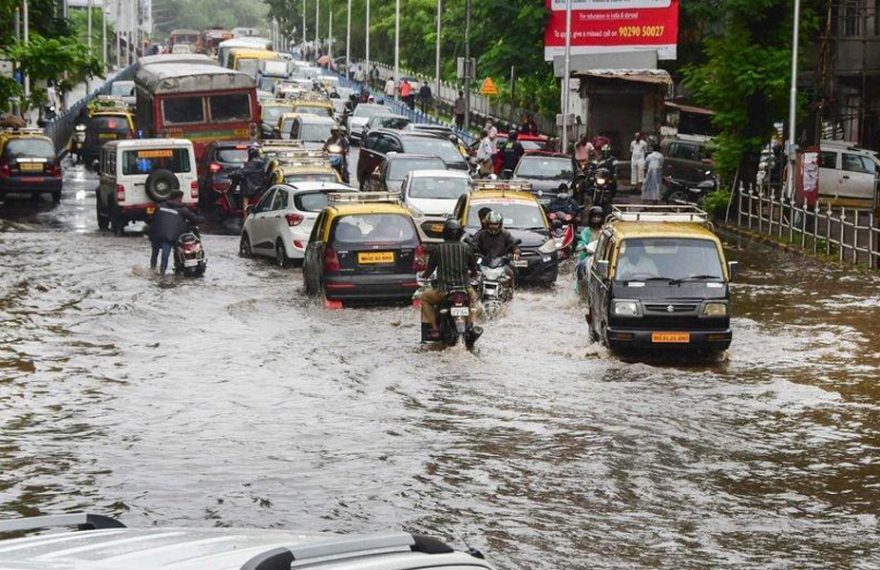
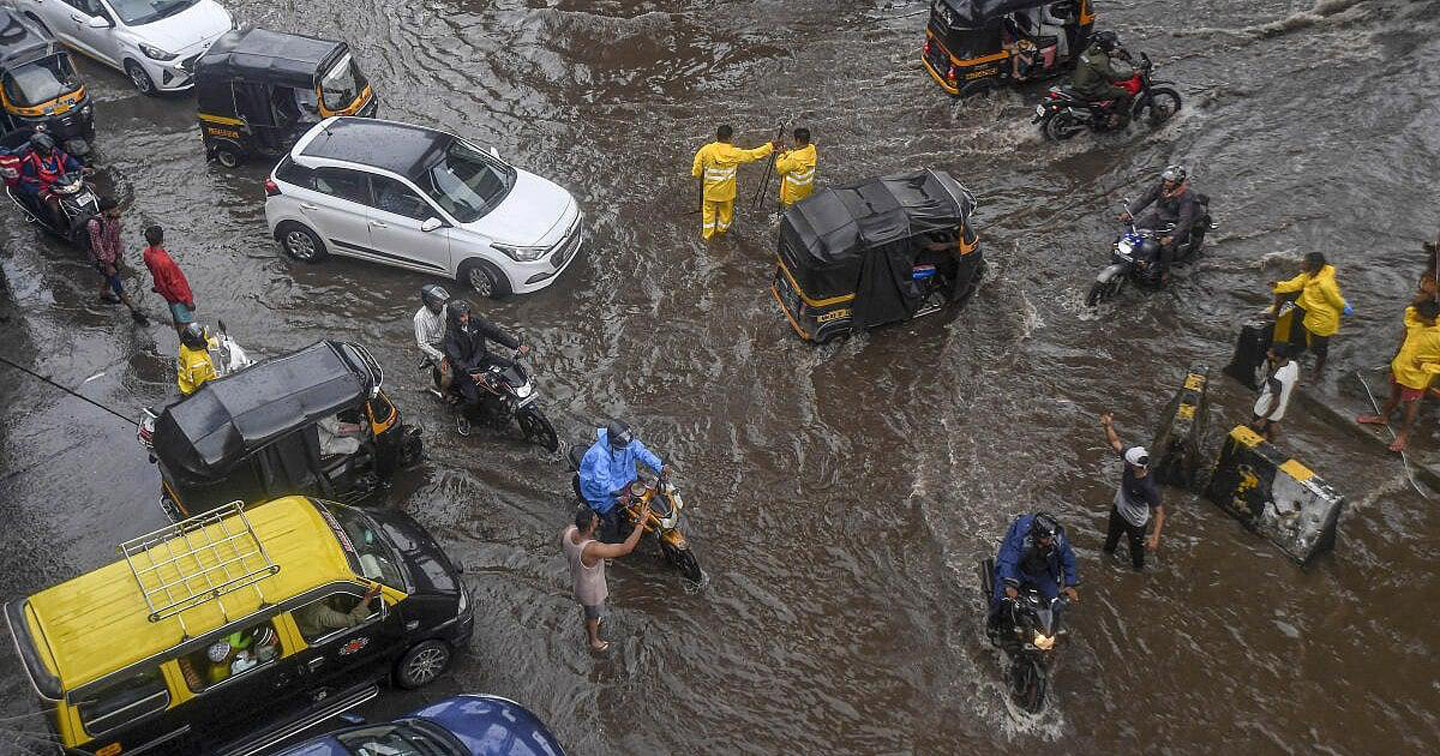
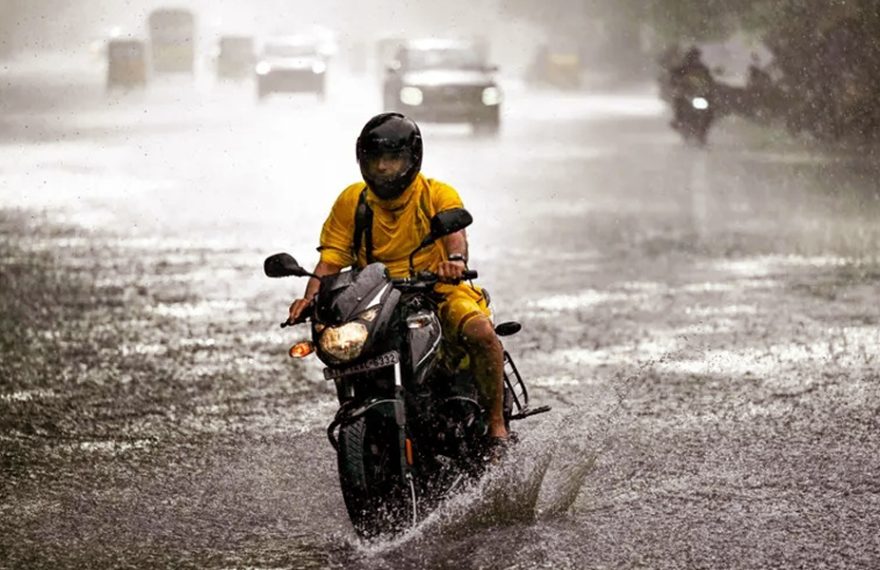
Mumbai witnessed severe disruption on Monday after incessant monsoon rains lashed the city and surrounding districts, causing extensive waterlogging, transport delays, and landslides. The heavy downpour brought normal life to a standstill, affecting thousands of commuters and prompting authorities to issue safety advisories.

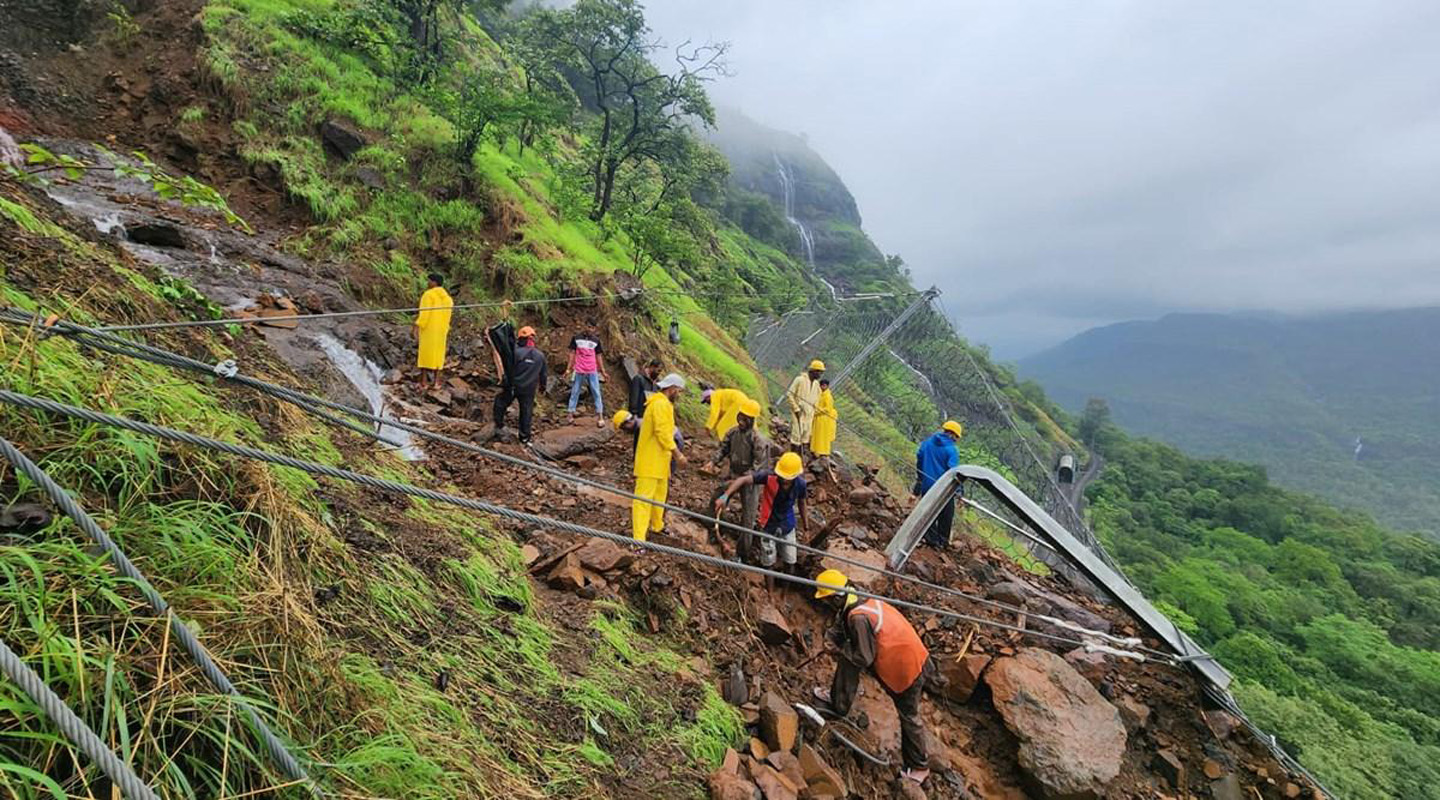
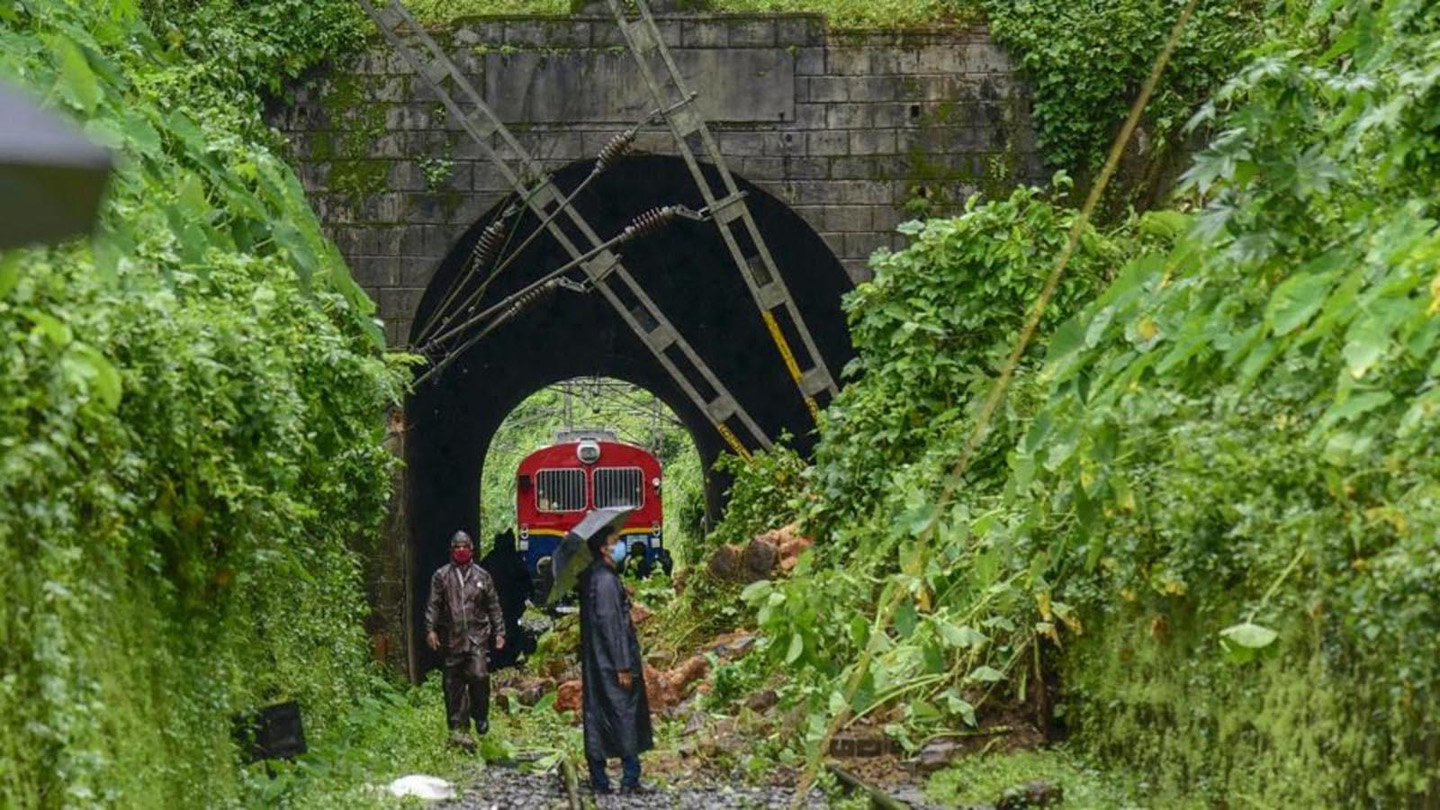
One of the most significant impacts was on the Mumbai-Pune railway corridor, where train services were temporarily suspended following landslides and debris accumulation on the tracks. Railway officials deployed emergency response teams to clear the affected sections and inspect the tracks before restoring operations. Several long-distance trains were either delayed, diverted, or cancelled, leaving passengers stranded at major railway stations.

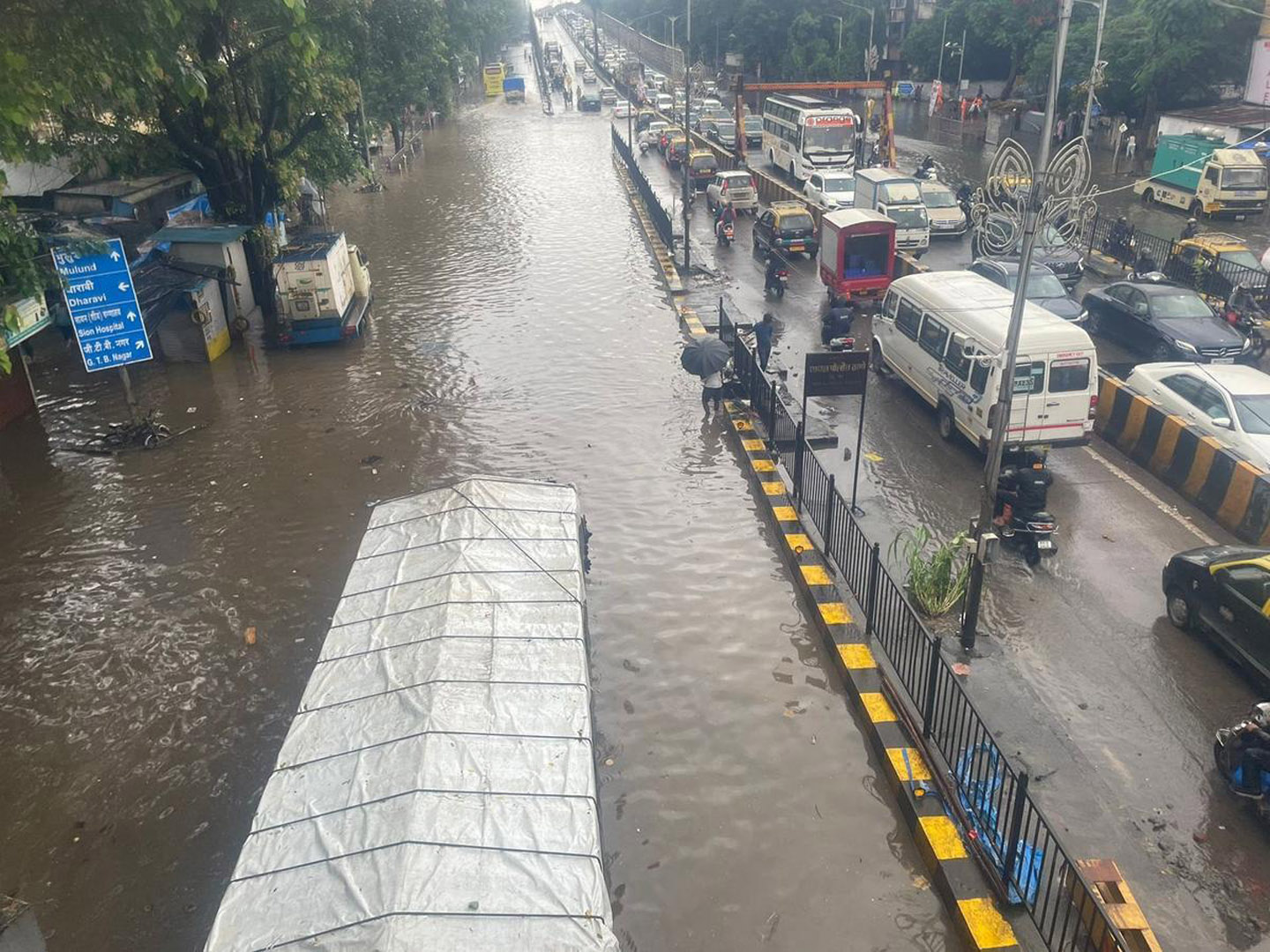
Road transportation also suffered a major setback. Parts of the Mumbai-Pune Expressway experienced traffic restrictions after heavy rainfall caused waterlogging and minor landslides in vulnerable stretches. Traffic police urged motorists to avoid unnecessary travel and use alternative routes wherever possible. Long traffic queues were reported as authorities worked to ensure commuter safety.

Within Mumbai city, several low-lying areas were inundated after continuous rainfall overwhelmed the drainage system. Water entered residential colonies, commercial establishments, and roads, slowing vehicular movement across many parts of the metropolis. Local train services, considered the city’s lifeline, also experienced delays due to water accumulation on railway tracks.

The India Meteorological Department (IMD) issued a heavy rainfall warning for Mumbai, Thane, Raigad, and adjoining districts, forecasting continued intense showers over the next 24 to 48 hours. Citizens have been advised to stay indoors during periods of intense rainfall, avoid flooded roads, and follow official weather updates.

Emergency teams from the Brihanmumbai Municipal Corporation (BMC), the National Disaster Response Force (NDRF), and local authorities have been deployed to monitor vulnerable locations, remove fallen trees, clear blocked drains, and assist residents in affected areas. Disaster management officials are also keeping a close watch on flood-prone zones and hillside regions susceptible to landslides.

Educational institutions in some affected areas announced temporary closures as a precautionary measure, while several private offices encouraged employees to work from home to minimize travel risks.

Authorities have appealed to residents to remain vigilant, avoid venturing into flooded areas, and immediately report emergencies through official helplines. With the monsoon expected to remain active, civic agencies continue to monitor the situation round the clock to minimize damage and ensure public safety.

Meteorologists have warned that intermittent heavy rainfall may continue over the coming days, and residents are advised to prepare for possible further disruptions to transportation and daily life as the monsoon remains vigorous across Maharashtra.

National

Heavy Rain Across India: Red Alert Issued for Several States Including Karnataka

New Delhi, July 3: The India Meteorological Department (IMD) has issued a Red Alert for several states, including Karnataka, Kerala, and Maharashtra, as the southwest monsoon has become more active. Heavy to very heavy rainfall is expected over the next few days, and local authorities have been asked to take all necessary precautionary measures.

In Karnataka, very heavy rain is likely in the coastal districts of Uttara Kannada, Dakshina Kannada, and Udupi, as well as the hilly districts of Shivamogga, Chikkamagaluru, and Kodagu. Bengaluru and nearby areas are also expected to receive moderate to heavy rain accompanied by thunderstorms. Residents living in low-lying areas have been advised to remain alert as waterlogging is possible.

In Kerala, continuous rainfall has caused river water levels to rise, and officials are closely monitoring areas that are vulnerable to landslides. In Maharashtra, heavy rain is expected in the Konkan region and the Western Ghats. Fishermen have been advised not to venture into the sea until weather conditions improve.

According to the IMD, the active monsoon winds and changing weather conditions over the Bay of Bengal have increased rainfall across southern and western parts of the country. Similar weather conditions are likely to continue for the next 48 to 72 hours.

State governments and district administrations have stepped up preparedness for possible floods and landslides. Emergency response teams and disaster management authorities have been kept on standby. People living in flood-prone areas may be shifted to safer places if required. Depending on local conditions, schools and colleges may also remain closed in some districts.

The Agriculture Department has advised farmers to take precautions while carrying out farming activities. The public has also been urged to stay away from flooded roads, damaged electric poles, and fallen trees during heavy rain. Officials have requested people to avoid unnecessary travel and follow weather updates issued by the IMD.

While the monsoon is important for agriculture, excessive rainfall can disrupt daily life, transportation, and public infrastructure. Authorities have therefore urged everyone to stay cautious and follow official safety advisories over the coming days.

National

Power, Mandate, and Dignity: The Political Storm Around Mamata Banerjee’s Remark

Prathiban DC

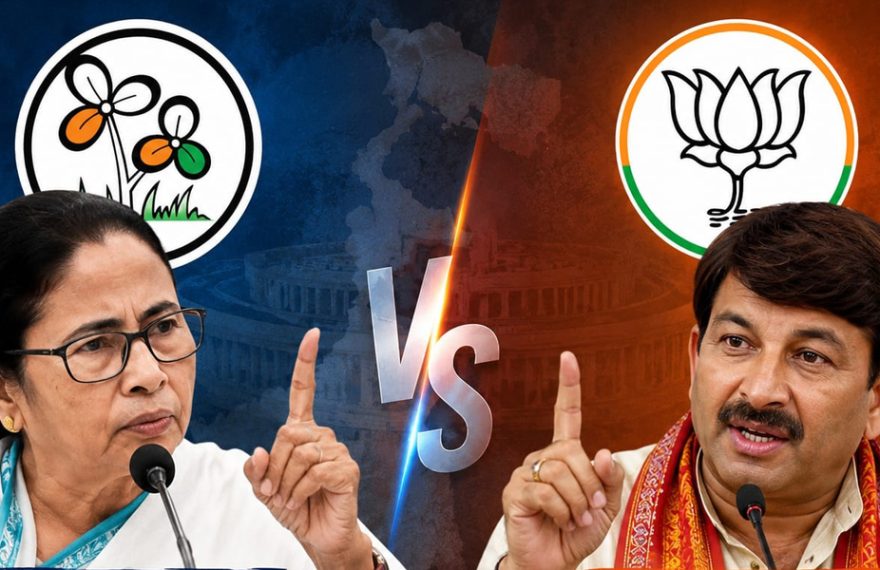
A recent political exchange has sparked debate across India after Mamata Banerjee reportedly asserted that she would not resign from her position as Chief Minister. Responding to this, Manoj Tiwari criticized her stance, suggesting that such a position appears to challenge the spirit of democratic governance.

At the heart of this issue lies a fundamental principle of democracy: power is granted by the people and can just as easily be taken away by them. In a democratic system like India’s, elected leaders hold office only as long as they enjoy the confidence of the public or maintain a majority in the legislative assembly. When that support fades, stepping down is not just a legal formality it is seen as a moral responsibility.

Manoj Tiwari’s remarks reflect this viewpoint. He argued that refusing to resign, especially in a situation where leadership is being questioned, could be interpreted as placing personal authority above constitutional norms. According to him, the act of formally resigning is more than just a signature on paper it symbolizes respect for democratic processes and institutions. It allows leaders to exit their roles with grace and dignity, maintaining the integrity of the system.

On the other side, Mamata Banerjee’s statement can be viewed through a political lens. Leaders often make such declarations to signal confidence, assert control, or rally support among their followers. In high-stakes political environments, such remarks are sometimes aimed at strengthening public perception of stability and resilience, rather than indicating a literal refusal to follow constitutional procedures.

This situation also highlights the ongoing rivalry between political parties, particularly between the ruling party in West Bengal and the Bharatiya Janata Party (BJP). Statements like these are not made in isolation they are part of a broader narrative where both sides attempt to shape public opinion and position themselves as defenders of democratic values.

It is important to note that the Constitution of India provides clear mechanisms for leadership changes. A Chief Minister cannot continue in office without majority support in the state assembly. If such support is lost, resignation or removal becomes inevitable, regardless of personal declarations. Therefore, the debate is less about whether a leader can refuse to resign and more about how they choose to respond to political challenges.

Ultimately, this controversy is a reminder of the delicate balance between political power and democratic accountability. While strong leadership often involves confidence and determination, it must also align with constitutional principles and public mandate. The way leaders handle such moments not only affects their personal legacy but also influences public trust in democratic institutions.

As the situation unfolds, it will continue to draw attention from political observers and citizens alike, raising broader questions about leadership, responsibility, and respect for the democratic process in India.

International National

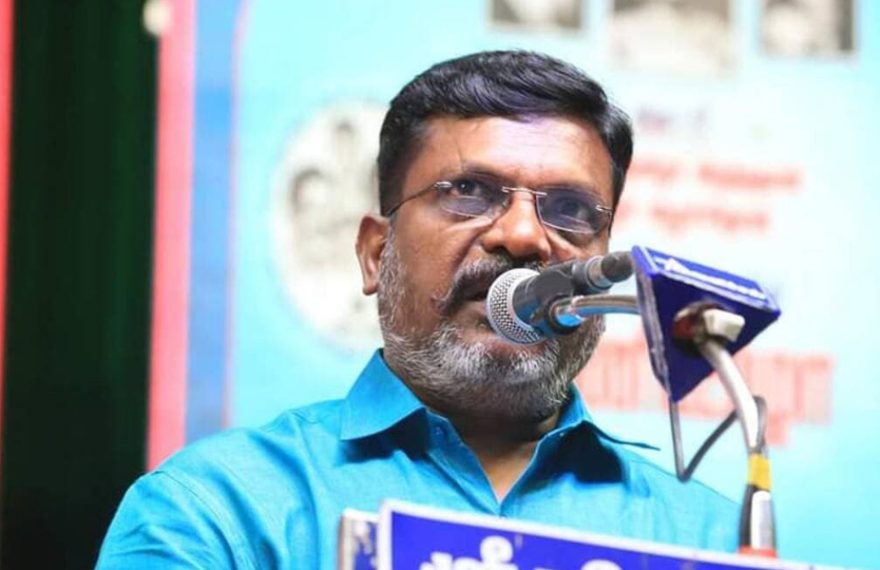
Tamil Nadu Govt Formation: Thol Thirumavalavan Says Vijay Must Act on People’s Mandate, VCK Yet to Decide on Support!

Prathiban DC

Chennai: In Chennai, Thol Thirumavalavan addressed the evolving political situation in Tamil Nadu, stating that the electorate has given Vijay a clear opportunity to form the next government. He emphasized that this reflects the will of the people, and therefore Vijay has the responsibility to take steps toward establishing a stable administration.

At the same time, Thirumavalavan pointed out that the mandate is not an outright majority. Since the numbers required to independently form a government are not in place, Vijay has been engaging with other political parties to secure the necessary support. According to him, outreach has been made to key allies, including Congress, the Left parties, the Viduthalai Chiruthaigal Katchi (VCK), and the Indian Union Muslim League (IUML).

He noted that Congress has already extended its support to the Tamilaga Vettri Kazhagam (TVK), which strengthens Vijay’s position to some extent. However, the situation remains incomplete, as the Left parties and VCK have not yet arrived at a final decision regarding their stance. Their support could play a crucial role in determining whether a coalition government can be successfully formed.

Thirumavalavan made it clear that his party will not rush into a decision without thorough internal discussions. He stated that consultations with senior and frontline leaders of the VCK are expected to take place very soon, possibly within the next day or two. These discussions will focus on evaluating the political scenario, the expectations of the party cadre, and the broader implications of supporting the proposed government.

He further explained that only after these deliberations are concluded will the VCK be in a position to formally respond to Vijay’s request for support. The party aims to take a considered and collective decision that aligns with its principles as well as the interests of the people it represents.

The remarks come at a time when political negotiations are actively underway, and all eyes are on how alliances will shape up in the coming days. With no single party holding a decisive majority, the role of supporting parties like VCK and the Left is expected to be critical in determining the formation and stability of the next government in Tamil Nadu.

Cinema National

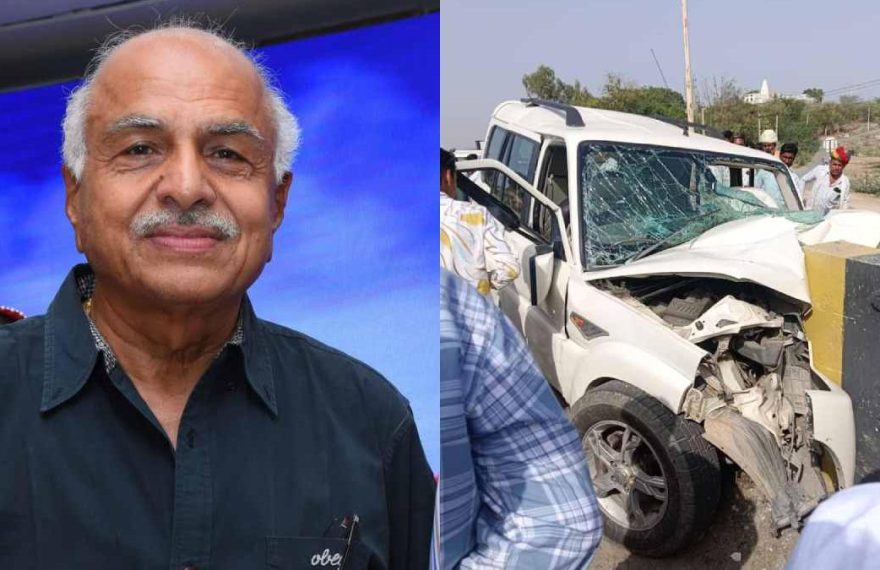
Veteran Producer R. B. Choudary Passes Away in Road Accident

Prathiban DC

The Indian film industry is mourning the sudden loss of veteran producer R. B. Choudary, who passed away on May 5, 2026, following a tragic road incident in Rajasthan. His unexpected demise has left fans, colleagues, and the entire cinema fraternity in shock.

According to initial information, the accident took place while he was traveling through the state. Though reports suggest that the physical injuries from the crash were not severe, the incident is believed to have caused a cardiac arrest, which ultimately led to his death. Authorities are expected to release further details as investigations continue.

B. Choudary was a towering figure in Indian cinema, particularly known for his contributions to South Indian films. Over the course of his long and successful career, he produced numerous films across Tamil, Telugu, Malayalam, and Hindi languages. His work consistently connected with audiences, blending strong storytelling with commercial appeal.

He was the founder of Super Good Films, a production house that became widely recognized for delivering hit films with family-oriented themes. Many of his projects went on to achieve both box office success and lasting popularity among viewers. Films produced under his banner often featured emotional depth, relatable characters, and engaging narratives.

Starting his professional journey outside the film world, Choudary was initially involved in business ventures such as steel and exports. However, his passion for cinema led him to enter the film industry in the late 1980s. From there, he steadily built a reputation as a dependable and visionary producer.

Throughout his career, he played a significant role in supporting and promoting talent within the industry. Several actors and filmmakers benefited from opportunities under his banner, helping shape their careers. His contributions extended beyond just producing films—he was also known for encouraging new ideas and backing promising talent.

Over the years, his films received multiple recognitions and awards, highlighting his consistent contribution to Indian cinema. His ability to produce successful films across different languages made him a respected figure nationwide, even before the concept of pan-Indian cinema became widely popular.

On the personal front, R. B. Choudary is survived by his family, including his sons, among whom Jiiva and Jithan Ramesh are well-known in the entertainment industry. His family has played an active role in continuing his legacy in both cinema and business.

Following the news of his passing, tributes have been pouring in from across the film fraternity. Actors, directors, and fans have expressed their condolences, remembering him as a dedicated producer and a guiding figure in the industry. Many have highlighted his humility, work ethic, and long-standing impact on cinema.

The loss of R. B. Choudary marks the end of an era for many in the industry. His influence, however, will continue through the films he created and the people he inspired. His body of work remains a testament to his vision and commitment to storytelling.

Details regarding his final rites and memorial services are expected to be announced soon by the family.

His passing is not just a loss to his loved ones, but to the entire Indian film industry, which he helped shape over decades of dedication and hard work.

International National

108 Seats, One Big Question: Will Vijay Form the Government?

Prathiban DC

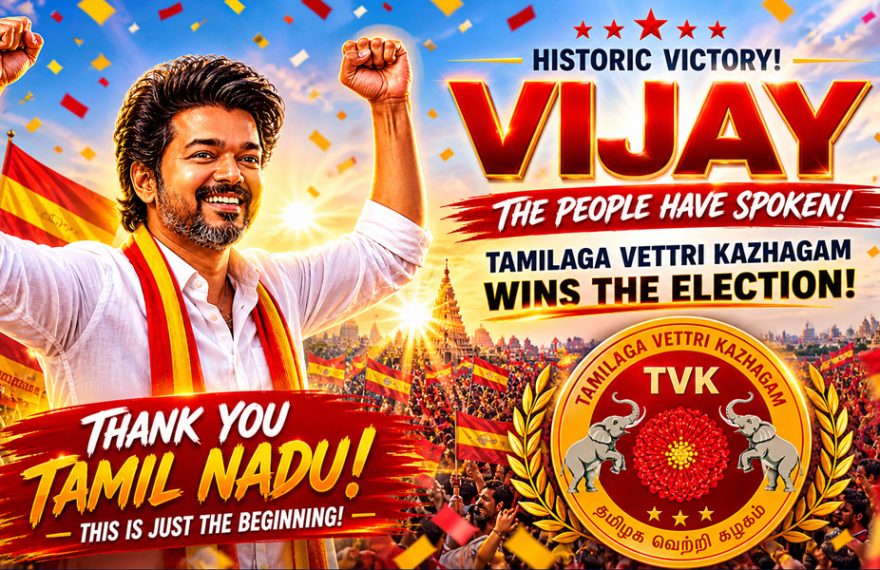
Chennai: Tamil Nadu has entered a high-voltage political phase after the 2026 Assembly election produced a fractured mandate, placing Vijay and his party Tamilaga Vettri Kazhagam at the center of intense government formation efforts.

In a surprising outcome, TVK has emerged as the single largest party, securing around 108 seats in the 234-member Assembly. However, the party remains short of the 118 seats required for a simple majority, leading to a hung Assembly and triggering rapid political negotiations across party lines.

The results have significantly altered Tamil Nadu’s traditional political dynamics, long dominated by the Dravida Munnetra Kazhagam and All India Anna Dravida Munnetra Kazhagam. While both major Dravidian parties remain influential, neither has secured enough seats to independently stake claim to form the government this time.

Following the results, Chief Minister M. K. Stalin submitted his resignation, acknowledging the verdict and paving the way for the formation of a new government. The DMK alliance, which governed the state in the previous term, fell short despite retaining a considerable vote base.

The AIADMK, led by Edappadi K. Palaniswami, also improved its tally compared to earlier expectations but was unable to bridge the gap needed to take power. The party continues to hold influence in several regions but now faces the challenge of redefining its strategy in a rapidly evolving political environment.

Amid this uncertainty, the Indian National Congress has made a notable move by openly congratulating Vijay on his party’s performance. Senior leader Rahul Gandhi is reported to have personally reached out, praising the strong debut of TVK and emphasizing the importance of respecting the people’s mandate.

This development has sparked widespread speculation about a possible Congress–TVK alliance, either through direct participation in government or external support. Political observers suggest that such a move could help TVK cross the majority mark and stabilize governance in the state.

At the same time, smaller regional parties and independent legislators have gained renewed importance. Their support is expected to play a decisive role in determining who forms the next government. Discussions are ongoing behind closed doors, with multiple scenarios being explored, including coalition arrangements and issue-based support.

TVK leaders have indicated that the party is actively assessing its options and is committed to forming a stable administration. A formal claim to form the government is expected once sufficient backing is secured. However, the timeline remains tight, as constitutional procedures require clarity on majority support within a limited period.

The current situation presents several possible outcomes. Vijay could secure alliances and take oath as Chief Minister, marking a historic political transition. Alternatively, if no grouping manages to demonstrate a clear majority, the Governor may invite other alliances to attempt government formation. In a more uncertain scenario, the state could even face fresh elections.

What Lies Ahead

The coming days are expected to be crucial for Tamil Nadu politics. Alliance decisions, leadership negotiations, and strategic compromises will determine the immediate future of the state’s governance.

In Summary:
The 2026 election has reshaped Tamil Nadu’s political landscape, ending the dominance of traditional power structures—at least for now—and positioning Vijay as the central figure in the battle for power. Whether this momentum translates into governance will depend entirely on how the alliance equations unfold in the days ahead.


National

Mahila Congress pushes back on BJP narrative, plans nationwide campaign to clear women’s quota row

Summary: The Mahila Congress has launched a nationwide campaign demanding implementation of the 2023 Women’s Reservation Bill, countering BJP’s “anti-women” claims. Through protests and outreach, it aims to pressure the government. While electoral impact may be limited, the campaign helps mobilise workers and strengthen the party’s position on women’s representation.

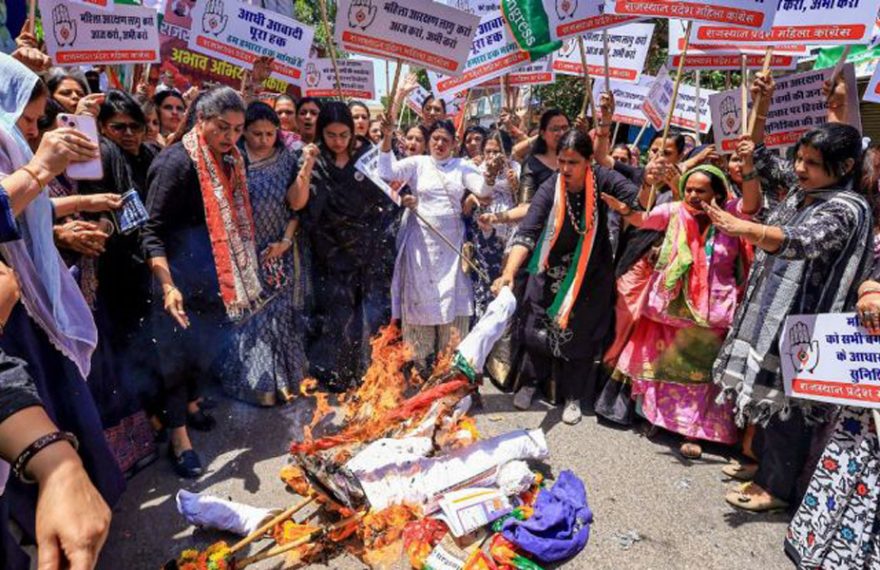
The Congress party’s Mahila wing has launched a nationwide campaign demanding the implementation of the Women’s Reservation Bill passed in 2023, which was passed with Congress’ support. The campaign is framed as a counter to the BJP’s narrative that the opposition parties are anti-women, calling it the BJP’s “misleading narrative” on women’s representation.

The Mahila Congress wants to highligh that the government’s recent attempt to pass the law during the special parliamentary session was less about empowering women and more about paving the way for delimitation. With the 2026 effort to implement the bill failing to clear Parliament, the BJP has accused opposition parties of resisting greater representation for women and its women parliamentarians have also come out with placards after the bill failed to pass the parliament test and echoed the party stand.

In response, the Mahila Congress has rolled out a nationwide signature and postcard campaign, alongside protests and press conferences, aimed at building pressure for immediate implementation of the 2023 women reservation bill while directly challenging the BJP’s claims.

“Our press conferences have begun. We have already held protests in Delhi and launched postcard and signature campaigns. This will be an ongoing effort until the bill is implemented-it is going to be a long struggle against the BJP,” said Safia Zuber, General Secretary of the All India Mahila Congress.

The campaign will be coordinated with other frontal organisations, with state units expected to replicate similar mobilisation efforts across the country.

The timing, however, raises political questions. The exercise comes after assembly elections in Kerala and Assam, where the Congress is a principal opposition force, and ahead of polls in West Bengal and Tamil Nadu. In Bengal, the party’s limited organisational presence reduces the potential electoral impact, while in Tamil Nadu it remains a junior partner to the DMK, which largely drives the political narrative.

Analysts suggest the campaign may have limited immediate electoral payoff. “The major contests for the Congress in Assam and Kerala are already over. In West Bengal, its positioning has minimal electoral consequences, and in Tamil Nadu, it will largely play a supporting role to the DMK,” a political observer noted.

Yet, beyond electoral arithmetic, the campaign has given the women’s wing of the party an opportunity to mobilise its cadre, make amends in its organisational functioning, and build a women’s base, apart from trying to counter the BJP’s narrative on the bill. For the Mahila Congress, it offers a platform to energise its cadre and expand its outreach.

Some observers believe the sustained mobilisation could blunt the BJP’s attempt to frame the opposition as anti-women, while equipping Congress workers with political ammunition to contest that claim in public discourse.