Renewed Regional Tensions Rise as Critical Iranian Oil and Gas Infrastructure Suffers Extensive Airstrike Damage
Middle Eastern geopolitical and energy markets have experienced a severe jolt following a series of precision airstrikes that targeted crucial petroleum production and processing facilities within Iran. These high-impact military developments have immediately heightened global anxieties regarding the stability of international crude oil supplies, the security of critical shipping transit corridors, and the broader economic ramifications for energy-importing nations across the globe.
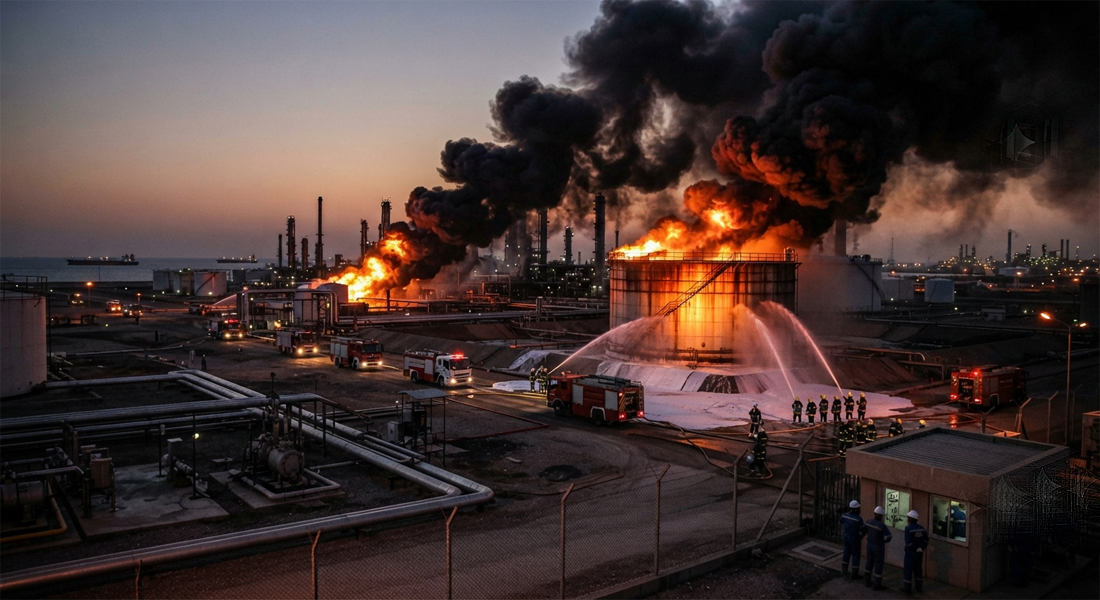
The latest aerial bombardments directly focused on high-value energy installations, including major components of the country’s primary natural gas distribution network and essential oil refining centers. Industry analysts and international commodity monitors have highlighted that these vital facilities serve as the backbone for domestic power generation, industrial processing, and export operations. Consequently, the direct hits have triggered immediate localized output disruptions, forced temporary operational halts at several key processing plants, and sent rapid shockwaves through global crude and natural gas futures markets.
International reactions to the escalation have been swift and deeply concerned. Neighboring nations and regional governments have expressed acute alarm over the immediate threat of widespread environmental hazards, potential ecological fallout, and severe long-term security risks associated with targeting core hydrocarbon infrastructure. Global energy watchdogs, including organizations tracking shipping lanes, are maintaining round-the-clock surveillance across the Persian Gulf, the Strait of Hormuz, and surrounding maritime chokepoints. Authorities are actively evaluating escalating risks to commercial tankers and maritime trade routes as regional stakeholders brace for potential secondary developments.
Governments, trade bodies, and corporate stakeholders worldwide are strongly advocating for immediate diplomatic restraint to prevent a catastrophic widening of the conflict that could permanently fracture global fuel supply chains. While international mediators work around the clock to open de-escalation channels, global commodity markets remain on high alert. Industry experts continue to monitor the structural extent of the damage inflicted upon the petroleum facilities and evaluate how quickly operations can resume once safety clearances and regulatory assessments are finalized.
Dynamic Leader News Desk
Prathiban DC